

November 6, 2025
13 Car Business Ideas (With Real-WorldPros/Cons)
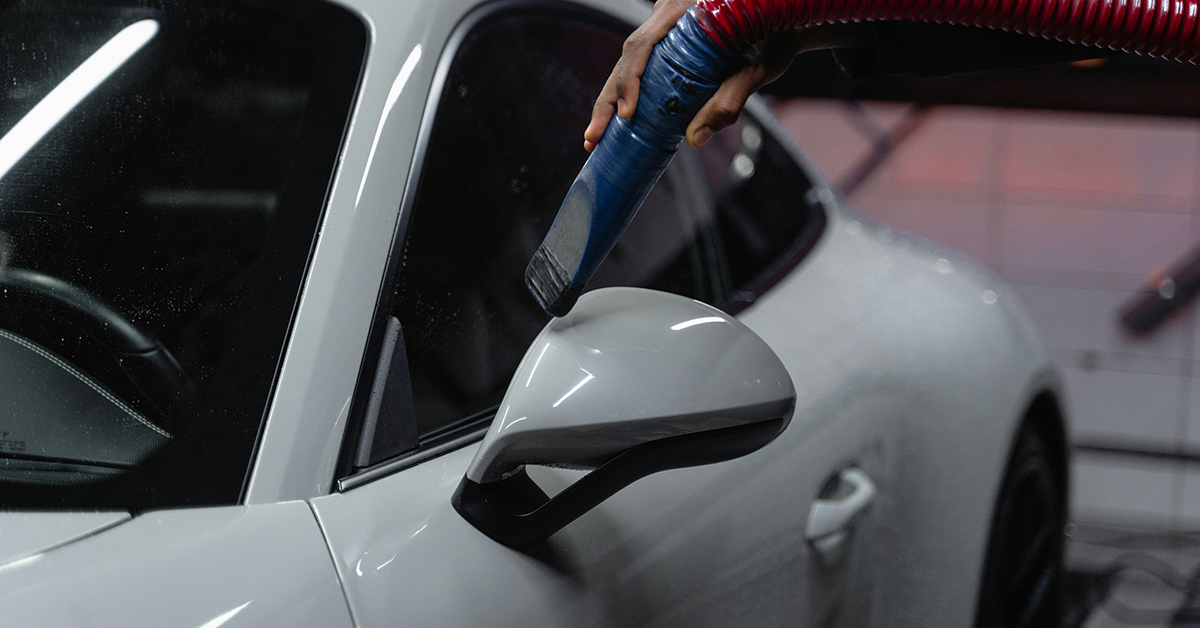
Looking to start a car business? This guide breaks down 13 proven automotive business models by startup cost, staffing, seasonality, and upsell potential.
Most “car business ideas” articles hand you a list of a few concepts and call it a day. You’re left Googling startup costs, wondering which model pencils, and guessing the operational differences between a $50,000 shop lease and a $2 million tunnel wash.
This guide takes a different approach. We compare 13 proven automotive business ideas across the metrics that matter most — startup cost, fixed overhead, staffing complexity, seasonality, and upsell potential. You’ll see real numbers, understand the hidden traps, and discover what concepts provide lower ongoing costs, simpler staffing, and high-margin add-ons without the seven-figure buildouts that come with some car businesses.
Whether you’re weighing automotive business ideas for the first time or ready to start a car business that scales without drowning you in overhead, this comparison guide gives you the clarity you need to choose wisely.
The Types of Car Businesses You Can Start
Mobile Detailing
- What it is: Solo or small-team service that travels to customers’ homes or offices to wash, wax, polish, and detail vehicles on-site.
- Who it’s for: Self-starters testing demand before committing to a lease.
- Pros: Minimal startup cost ($5,000–$25,000); no rent; flexible scheduling.
- Cons: Weather cancellations; price competition; capped revenue per hour.
- Cost snapshot: Low fixed costs; revenue tied to labor hours.
Shop-Based Detailing
- What it is: Fixed-location detailing with higher-end services like paint correction & ceramic coatings.
- Who it’s for: Detailers ready to scale beyond solo operations.
- Pros: Controlled environment; ability to offer premium services.
- Cons: Lease costs; staffing challenges; $50,000–$150,000 startup.
- Cost snapshot: Rent + payroll dominate expenses.
Self-Serve Car Wash
- What it is: Coin or card-operated bays with minimal labor.
- Startup: $500,000–$1.5 million.
- Pros: Passive once built; low labor.
- Cons: High utilities; vandalism risk; limited upsells.
Tunnel/Express Car Wash
- What it is: Conveyorized wash with high volume & membership revenue.
- Startup: $2 million–$5 million+.
- Pros: High throughput; scalable chain potential.
- Cons: Massive capex; heavy marketing; large staff.
Oil Change / Quick Lube
- Startup: $250,000–$500,000.
- Pros: Repeatable service; quick turnaround.
- Cons: Thin margins; environmental regulations.
Tire Shop
- Startup: $250,000–$1 million.
- Pros: Steady demand; upsells via alignments & balancing.
- Cons: High inventory cost; big-box competition.
General Auto Repair
- Startup: $75,000–$500,000.
- Pros: Essential service; high demand.
- Cons: Tech shortages; expensive equipment.
Collision / Body & Paint
- Startup: $350,000–$1 million+.
- Pros: High-ticket insurance jobs.
- Cons: Skilled labor required; long repair cycles.
Vehicle Wraps & Graphics
- Startup: $50,000–$150,000.
- Pros: High margins; demand from fleets & small businesses.
- Cons: Skill-dependent; expensive mistakes.
12V Audio & Remote Start
- Startup: $75,000–$200,000.
- Pros: Enthusiast market; good upsells.
- Cons: Fast-changing tech; inventory risk.
Used Car Dealer
- Startup: $50,000–$200,000+.
- Pros: High per-unit profit.
- Cons: Floorplan financing; compliance-heavy.
Car Rentals / Fleet Rentals
Startup: $25,000–$250,000+.
Pros: Recurring revenue; scalable.
Cons: Depreciation; heavy insurance needs.
Window Tinting
- What it is: Automotive, residential, and commercial tint plus high-margin services like PPF & ceramic coatings.
- Startup: $250,000–$350,000.
- Pros: High-margin; predictable installs; small team; year-round demand.
- Cons: Requires precision & training.
Thinking About Turning Your Interest Into a Business?
Black Optix Tint is one of the fastest-growing automotive restyling franchises in the country. If you are researching the industry, you may already be thinking about ownership. See available territories, franchise investment details, and what it takes to qualify.
Why a Tint Franchise Often Wins on Overhead & Cost
Across all models, tint franchises occupy the “sweet spot” between low overhead, high margins, manageable staffing, and scalable add-ons. You avoid the giant buildouts of car washes and tire shops and the talent shortages of auto repair.
Lean Fixed Costs
Only 1,200–2,000 sq ft needed. Simple equipment. Predictable utilities.
Small, Skilled Team
Two to four installers can complete 6–9 tint jobs per day. No need for ASE master techs or large crews.
High-Margin Tickets
- Window tint: $200–$800
- PPF: $1,500–$5,000+
- Ceramic coatings: $800–$2,000+
All-Weather Demand
Auto tint peaks in summer; residential & commercial demand rises in fall/winter.
Predictable Operations
Standardized install times make scheduling easy.
Why Franchise vs. Solo
- Bulk vendor pricing
- Stronger training & certification
- Marketing support & lead-gen systems
- Proven SOPs
Tint vs. Other Models: The Decision Matrix
| Business Model | Startup | Fixed Overhead | Staffing | Seasonality | Add-On Revenue | Notes |
|---|---|---|---|---|---|---|
| Mobile Detailing | $5k–$25k | Low | Solo–2 | Weather-sensitive | Moderate | Volume grind; price pressure |
| Shop Detailing | $50k–$150k | Medium | 2–6 | Medium | Moderate | Lease + equipment adds up |
| Self-Serve Wash | $500k–$1.5M | High | Low | Medium | Low | Real estate heavy |
| Tunnel Car Wash | $2M–$5M+ | Very high | 8–20 | Medium | Low | Capital intensive |
| Oil Change | $250k–$500k | Medium–High | 6–10 | Low | Low | Environmental compliance |
| Tire Shop | $250k–$1M | High | 6–12 | Low | Low | Heavy equipment |
| General Repair | $75k–$500k | Medium | 4–10 | Low | Low | Tech talent bottleneck |
| Vehicle Wraps | $50k–$150k | Medium | 3–6 | Medium | High | Skilled installers required |
| Window Tint (Franchise) | $80k–$200k | Low–Medium | 2–4 | Low | Very High | High-margin upsells |
Key Takeaway: Tint franchises score the best blend of low overhead, manageable staffing, and strong upsell revenue compared to nearly every other automotive business model.
What to Vet Before Choosing a Tint Franchise
- Territory Rights: Ensure exclusivity.
- Vendor Ecosystem: Verify bulk pricing & vetted suppliers.
- Training Depth: Look for hands-on installer certification.
- Marketing Support: PPC, LSAs, social, referral systems.
- Lead Gen Data: Ask for real cost-per-lead metrics.
- Multi-Service Roadmap: PPF + ceramic coatings are essential.
- Breakeven Timeline: Get real projections, not hype.
- Validation Calls: Speak with active franchisees.
Black Optix Tint has available territories across the U.S. — see available territories near you.
Ready to Own an Automotive Business?
Subheading: Black Optix Tint franchisees get:
- Exclusive territory protection
- Full technical and business training
- Proven marketing systems that work
- Ongoing support from the franchise team
We are actively expanding across the U.S. Territories go quickly in strong markets. The first step is a no-obligation conversation with our franchise development team.