

February 23, 2026
The Automotive Restyling Industry Is Booming: Why Now Is the Time to Invest
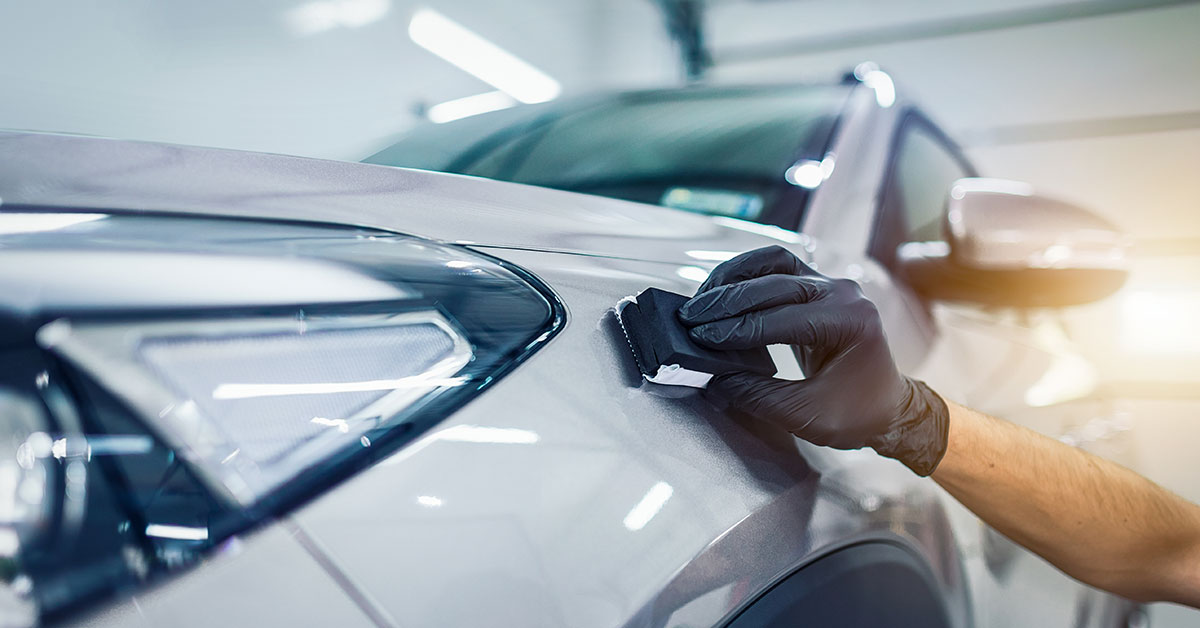
Something interesting is happening in the automotive world. While headlines focus on electric vehicles, autonomous driving, and industry consolidation, a quieter transformation is reshaping how Americans think about their cars.
They’re not just buying vehicles. They’re investing in them. Protecting them. Personalizing them.
This shift has propelled the U.S. automotive restyling industry to $10.5 billion in annual spending, with no signs of slowing down. For entrepreneurs evaluating business opportunities, understanding what’s driving this growth—and why it matters—could be the difference between catching a wave and missing it entirely.
What Is Automotive Restyling?
Automotive restyling encompasses the products and services that modify, protect, or enhance a vehicle after it leaves the factory. This includes:
- Window tinting (automotive, residential, and commercial)
- Paint protection film (PPF) to shield paint from rock chips, scratches, and environmental damage
- Ceramic coatings that provide long-lasting paint protection and easier cleaning
- Vinyl wraps for color changes, commercial branding, and custom graphics
- Car audio and electronics including speakers, amplifiers, and remote start systems
- Interior protection and detailing services
Unlike automotive repair—which customers need when something breaks—restyling services are discretionary purchases driven by desire: the desire to protect an investment, enhance appearance, improve comfort, or express personal style.
This distinction matters. Discretionary spending categories often struggle during economic downturns. But automotive restyling has proven surprisingly resilient, continuing to grow even through recent economic uncertainty.
Five Forces Driving Industry Growth
Understanding why the automotive restyling market is expanding helps entrepreneurs evaluate whether this opportunity aligns with their goals. Five interconnected forces are fueling sustained growth.
1. Rising Vehicle Prices Make Protection a Priority
The average new car transaction price has climbed steadily, reaching record levels in recent years. When consumers spend $48,000 or more on a vehicle, their mindset shifts from “it’s just a car” to “this is a significant investment.”
Protective services like window tinting, PPF, and ceramic coatings become rational decisions rather than luxuries. A $1,500 PPF installation that prevents $5,000 in paint damage makes financial sense. UV-blocking window tint that preserves interior leather and reduces cooling costs pays for itself.
This “investment protection” mentality is particularly strong among buyers of premium vehicles, trucks, and SUVs—segments that continue to dominate new vehicle sales.
2. Longer Vehicle Ownership Periods
Americans are keeping their vehicles longer than ever. The average age of cars on the road has reached historic highs as improved reliability and rising new vehicle prices encourage owners to extend their ownership periods.
Longer ownership creates multiple touchpoints for restyling services:
- At purchase: New vehicle buyers often install tint, PPF, and coatings while the vehicle is pristine
- Mid-ownership: Owners refresh protection, add ceramic coating renewal, or upgrade audio systems
- Pre-sale: Sellers invest in detailing and protection to maximize resale value
A vehicle owned for eight years represents multiple potential service interactions versus one owned for three years. The math favors restyling businesses.
3. Consumer Demand for Customization
The desire for personalization extends beyond vehicles to nearly every consumer category—and automotive is no exception. Today’s car buyers want vehicles that reflect their identity, not just transportation that looks like everyone else’s.
Industry data shows consumers spent over $52 billion modifying their vehicles in 2024, driven by demand for unique aesthetics and performance enhancements. Color-change wraps, custom tint levels, and premium audio systems transform factory-standard vehicles into personal statements.
Social media amplifies this trend. Platforms like Instagram and YouTube showcase modified vehicles to millions of viewers, normalizing customization and inspiring new customers to explore options they might not have considered.
4. Expanding Service Categories
Window tinting shops of twenty years ago offered a limited menu: automotive tint in varying shades. Today’s leading restyling businesses offer comprehensive solutions across multiple categories.
The modern automotive restyling model might include:
- Multiple window film options (ceramic, carbon, dyed) at different price points
- Paint protection film for full front-end, partial, or complete vehicle coverage
- Ceramic coating packages from entry-level to multi-year warranties
- Commercial and residential window tinting for homes and businesses
- Car audio, remote start, and electronics installation
- Vinyl wraps for personal vehicles, commercial fleets, and advertising
This service expansion increases average transaction values and creates cross-sell opportunities. A customer who comes in for window tinting discovers PPF. A PPF customer adds ceramic coating. A satisfied customer refers their business for commercial fleet work.
5. B2B Opportunities With Dealerships and Fleets
Consumer retail isn’t the only growth avenue. Business-to-business relationships with dealerships and fleet operators represent significant additional revenue.
Dealerships increasingly use window tinting and protection products as value-adds for new vehicle sales. Pre-installed tint and PPF command premium prices and differentiate dealerships from competitors.
Fleet operators need consistent, professional service for company vehicles. Commercial tinting, fleet graphics, and protection services create recurring revenue relationships.
These B2B partnerships often provide steadier volume than retail walk-in traffic alone, smoothing revenue fluctuations and building long-term business value.
Thinking About Turning Your Interest Into a Business?
Black Optix Tint is one of the fastest-growing automotive restyling franchises in the country. If you are researching the industry, you may already be thinking about ownership. See available territories, franchise investment details, and what it takes to qualify.
Market Fragmentation Creates Opportunity
Despite industry growth, the automotive restyling market remains highly fragmented. No dominant national brand has emerged like you’d find in quick-service restaurants, fitness, or automotive repair.
Most window tinting and restyling shops are small, independent operations. Many operate from modest facilities with inconsistent branding, variable quality, and limited service menus. Customer experience often depends entirely on individual technicians rather than standardized processes.
This fragmentation creates opportunity for entrepreneurs who can deliver:
- Professional presentation: Showroom-quality facilities that build customer trust
- Consistent quality: Standardized installation processes and quality controls
- Comprehensive services: Multiple revenue streams under one roof
- Modern customer experience: Online booking, transparent pricing, and professional communication
The entrepreneurs and franchise systems capturing market share are those bringing retail-level professionalism to an industry that has historically underinvested in customer experience.
Why Timing Matters
Market conditions don’t stay favorable forever. Several factors suggest the current window of opportunity may be particularly attractive:
- Industry maturation is accelerating. As the market grows, competition will intensify. Early movers can establish market position and customer relationships before the landscape becomes more crowded.
- Consumer awareness is expanding. Services like ceramic coating and PPF that were once niche are becoming mainstream. Customer education costs are declining as awareness grows.
- Technology is improving. Better films, coatings, and installation tools make it easier to deliver consistent quality. Computer-cut film patterns eliminate guesswork and reduce installation time.
- Real estate remains accessible. Unlike retail categories requiring expensive mall or shopping center locations, restyling businesses can operate from automotive-oriented commercial spaces with reasonable rents.
The franchise model is proving successful. Early franchise entrants have validated that the restyling model scales effectively, creating a roadmap for future growth.
What It Takes to Succeed
Industry growth doesn’t guarantee individual success. Entrepreneurs considering automotive restyling should understand the key success factors:
- Customer experience matters more than technical skill alone. The best installers don’t always build the best businesses. Customer communication, professional facilities, transparent pricing, and reliable service create competitive advantage.
- Multiple revenue streams provide stability. Businesses overly dependent on one service category face risk when demand shifts. Diversification across tinting, PPF, coatings, and related services creates resilience.
- B2B relationships require cultivation. Dealership and fleet partnerships don’t happen automatically. Building these relationships takes time, persistence, and a track record of reliability.
- Marketing requires consistent investment. Even in a growing market, customers must find you. Search visibility, reputation management, and local marketing separate thriving businesses from struggling ones.
- Quality talent is essential. Skilled installers are in demand. Businesses must either train technicians internally or attract them with competitive compensation and professional work environments.
The Franchise Advantage in a Growing Market
For entrepreneurs evaluating how to enter this space, franchising offers distinct advantages in a growing but fragmented market.
- Accelerated market entry. Established franchise systems have refined operational playbooks, supplier relationships, and marketing strategies. Franchisees avoid years of trial-and-error experimentation.
- Brand recognition. In a fragmented market, professional branding stands out. Customers notice the difference between a national franchise with consistent presentation and an unknown independent shop.
- Training and support. Comprehensive training programs compress the learning curve for new owners, covering both technical skills and business operations.
- Purchasing power. National networks negotiate better pricing on films, coatings, equipment, and supplies—savings that improve margins or enable more competitive pricing.
- Scalability. Entrepreneurs who want to grow beyond a single location benefit from systems designed for multi-unit expansion.
Is This Opportunity Right for You?
The automotive restyling industry’s growth creates real opportunity, but not every entrepreneur is the right fit. Consider whether these characteristics describe you:
- You’re drawn to service businesses. Restyling is fundamentally about delivering quality work and exceptional customer experiences. If you prefer product-based or purely digital businesses, this may not align.
- You can manage a team. Even small restyling shops require skilled technicians. Your success depends on hiring, training, and retaining quality people.
- You’re comfortable with sales. While quality work generates referrals, building a customer base—especially B2B relationships—requires proactive selling.
- You have adequate capital. Undercapitalization causes many small business failures. Ensure you have sufficient investment capital plus reserves for early-stage operations.
- You think long-term. Building a successful restyling business takes time. Quick-money seekers often struggle with the patience required for sustainable growth.
Taking the Next Step
If the automotive restyling opportunity resonates with you, the next step is deeper exploration:
- Research the market. Study successful restyling businesses in non-competing markets. Understand what they do well and where others fall short.
- Evaluate franchise options. Request information from established window tinting and restyling franchises. Review Franchise Disclosure Documents. Talk to existing franchisees about their experience.
- Assess your local market. Who are the current competitors? What’s missing from the market? Where are the underserved opportunities?
- Understand the investment. Review total investment requirements, financing options, and realistic timelines to profitability.
- Talk to industry professionals. Connect with installers, suppliers, and business owners who understand the day-to-day realities of running a restyling operation.
The $10.5 billion automotive restyling market isn’t a secret. Consumer demand for vehicle protection and customization is visible in industry data, consumer spending patterns, and the growth of successful businesses across the country.
The question isn’t whether opportunity exists. It’s whether you’ll be among the entrepreneurs who capture it.
Ready to Own an Automotive Business?
Subheading: Black Optix Tint franchisees get:
- Exclusive territory protection
- Full technical and business training
- Proven marketing systems that work
- Ongoing support from the franchise team
We are actively expanding across the U.S. Territories go quickly in strong markets. The first step is a no-obligation conversation with our franchise development team.