

April 1, 2026
Hands-On Franchise Opportunities for Technical Entrepreneurs
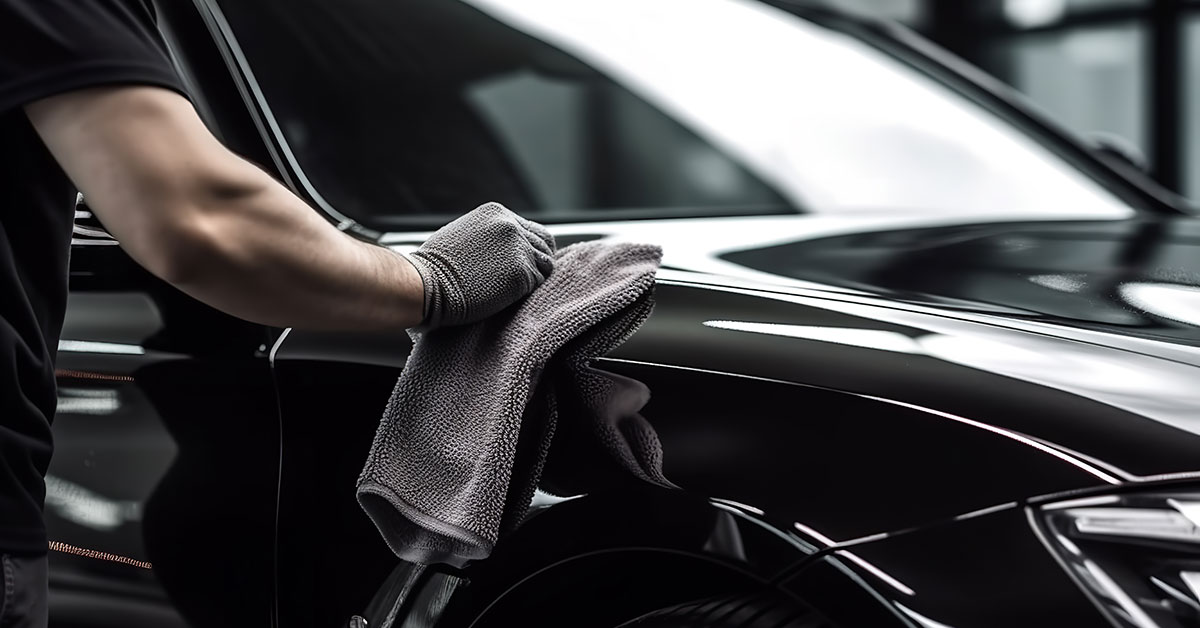
If you search for “hands-on franchise for technical entrepreneurs,” most of the results point you toward IT repair shops, computer troubleshooting services, and managed technology providers. Those are fine businesses. But they represent a narrow slice of what’s actually available to someone who wants to own a franchise that involves real, tangible, skilled work.
The gap in those search results is interesting because it reveals an assumption: that “technical” means computers and software. For a lot of entrepreneurs, technical means working with your hands, building something physical, applying a craft that takes precision and training to do well. It means ending the day with a result you can actually see.
Automotive restyling fits that description better than most franchise categories, and it rarely shows up when people search for hands-on business opportunities. That’s worth correcting, because the economics, the owner experience, and the growth trajectory of skilled-trade automotive franchises often outperform the IT service models that dominate these search results.
What “hands-on” actually means in franchise ownership
Franchise models fall on a spectrum. On one end you have semi-absentee or executive models where the owner manages from a distance and the business runs through hired staff. On the other end you have owner-operator concepts where the franchisee is physically present, involved in daily operations, and often doing some of the work themselves, especially in the early months.
Technical entrepreneurs tend to gravitate toward the second type. They’re the kind of people who want to understand how everything in the business works, not just the P&L. They want to know the product, the process, and the craft behind the service. That hands-on involvement isn’t a downside for them. It’s the whole point.
The challenge is that many franchise directories and recommendation engines categorize hands-on or technical franchises narrowly. They default to technology services, phone repair, or IT consulting. Meanwhile, entire categories of skilled-trade franchises get overlooked, including automotive services, window tinting, protective coatings, and vehicle customization.
Why automotive restyling is a natural fit for technical entrepreneurs
Automotive restyling covers a range of services: window tinting, paint protection film (PPF), ceramic coatings, and car and marine audio installation. Each one involves a specific technical skill set. Window tinting requires precise cutting, heat forming, and clean application without bubbles or debris. PPF installation demands even more precision because the material is thicker, more expensive, and less forgiving of mistakes. Ceramic coating application requires controlled environments, proper surface preparation, and careful curing. Audio installation involves electrical wiring, fabrication, and acoustic tuning.
For someone with a technical mindset, these services are genuinely interesting to learn. There’s a learning curve, real craftsmanship involved, and a visible difference between good and mediocre work. That appeals to entrepreneurs who get bored by businesses where the product is abstract or the quality differences are hard to see.
The industry itself is substantial. The U.S. automotive restyling market is valued at approximately $10.5 billion, and consumer demand for vehicle customization and protection continues to grow. This isn’t a niche hobby market. It’s a mainstream service category with repeat customers, B2B partnership potential through dealerships, and multiple service lines that can be offered from a single location.
The skill floor is learnable, even if you have zero automotive background
One concern technical entrepreneurs sometimes raise: “I’ve never tinted a window or installed film in my life. Can I actually do this?” The answer is yes, and the reason is that good franchise systems are built specifically for people without industry experience. The training program at Black Optix Tint, for example, takes owners through comprehensive hands-on instruction on every service line before a location opens. You learn the craft, but you also learn how to hire and train technicians who do the work at scale as your business grows.
In practice, most franchise owners transition from doing installations themselves in the early phase to managing a team of trained technicians within the first year or two. The technical knowledge you gain during training stays useful because it helps you evaluate work quality, troubleshoot issues, and train new hires. You don’t have to be the best installer in the shop forever, but understanding how the work is done makes you a better operator.
Thinking About Turning Your Interest Into a Business?
Black Optix Tint is one of the fastest-growing automotive restyling franchises in the country. If you are researching the industry, you may already be thinking about ownership. See available territories, franchise investment details, and what it takes to qualify.
How to evaluate a hands-on franchise
If you’re a technical person evaluating franchise opportunities, the standard franchise comparison criteria still apply: initial investment, territory protection, franchisor track record, and FDD review. But there are a few additional dimensions worth paying attention to.
Training quality and depth
A franchise that offers a three-day orientation and a manual is not the same as one that provides weeks of hands-on technical training plus ongoing education. For a skilled-trade business, the training program is arguably the most important thing the franchisor provides. Ask how many hours are dedicated to each service. Ask whether new employees can access the same training after you open. And ask what continuing education looks like as new products and techniques enter the market.
Number of revenue streams
Some automotive franchises focus on a single service. Others, like Black Optix Tint, offer five integrated revenue streams from one location. The multi-service model matters because it lets you cross-sell (a customer who comes in for tinting might add a ceramic coating), reduces your exposure to seasonal slowdowns in any one category, and raises your average ticket per visit. For a technical entrepreneur, more services also means more variety in the daily work, which tends to keep things interesting over the long haul.
Daily operating rhythm
This one is underrated. Ask existing franchise owners what a typical day looks like. How many vehicles move through the shop? What’s the split between customer-facing time and back-of-shop work? How much of the owner’s day is operations versus administration? The answer tells you whether the business actually delivers the hands-on experience you’re looking for, or whether it’s more of a desk job with a workshop attached.
One thing that attracts many owners to the Black Optix Tint model specifically is the fast-turnaround service structure. The shop is designed to handle up to 20+ vehicles per day, which means there’s always work moving through the bays. It’s an active environment, not a quiet storefront waiting for walk-ins.
Scalability without losing the hands-on element
Technical entrepreneurs sometimes worry that scaling a business means becoming a pure manager and losing the hands-on connection to the work. Good franchise models let you grow without abandoning what you enjoy. You can open new locations, hire and develop technicians, and build a multi-unit operation while still staying close to the craft. The key is whether the franchise system provides the operational infrastructure (scheduling, inventory, marketing, customer management) so that scaling up doesn’t require you to become a full-time administrator.
How this compares to IT and tech-service franchises
There’s nothing wrong with IT repair or managed services franchises. They serve real demand, and for the right person, they’re great businesses. But the search results for “hands-on franchise for technical entrepreneurs” are saturated with them, and that creates a blind spot.
Automotive restyling franchises tend to differ from IT service models in a few notable ways. The work is physical and visual. You see the finished product drive away every day. Customer interactions often happen in person at the shop, which suits people who prefer face-to-face relationships over ticket queues and remote support sessions. And the customer base skews toward consumers who are spending discretionary money on something they care about, which changes the tone of the entire business. People are usually happy to be in your shop, not frustrated that something is broken.
The operating hours also tend to be more predictable. Most tint and restyling shops run on standard weekday hours. That’s a meaningful quality-of-life difference compared to IT service models that may require on-call availability or evening work for business clients.
Black Optix Tint as a case study in hands-on franchise ownership
Black Optix Tint was built around the idea that a single shop, run well, could generate meaningful revenue across multiple automotive services. The model includes window tinting, PPF, ceramic coatings and detailing, residential and commercial tinting, and car and marine audio. That breadth of services gives technically minded owners variety in their day-to-day operations, and it gives the business multiple ways to serve each customer.
The franchise is backed by United Franchise Group (UFG), which has over 40 years of franchising experience across 1,600+ locations in 60+ countries. That infrastructure handles the parts of running a business that technical entrepreneurs often find less appealing: national marketing, operational playbooks, vendor negotiations, and ongoing business coaching. It frees the owner to focus on the shop floor, the team, and the customer experience.
For prospective owners curious about what the investment looks like, that information is available upfront. Veterans can also explore veteran-specific franchise incentives that make entry more accessible. And if you already run a tint shop or automotive services business and want to bring it under a national brand, the co-brand and conversion program is worth reviewing.
Next steps if you’re exploring hands-on franchise opportunities
The best way to figure out whether a franchise fits your technical personality is to talk to current owners and ask them what their days actually look like. Any franchisor who won’t connect you with existing franchisees is a red flag. Beyond that, read the Franchise Disclosure Document carefully, visit operating locations if possible, and be honest with yourself about whether the daily operating rhythm matches what you want out of business ownership.
If automotive restyling is on your radar, request more information from Black Optix Tint to start the conversation. You can also read the FAQ for quick answers, or browse the blog for deeper dives on topics like startup costs, territory selection, and evaluating franchise opportunities.
Ready to Own an Automotive Business?
Subheading: Black Optix Tint franchisees get:
- Exclusive territory protection
- Full technical and business training
- Proven marketing systems that work
- Ongoing support from the franchise team
We are actively expanding across the U.S. Territories go quickly in strong markets. The first step is a no-obligation conversation with our franchise development team.