

May 18, 2026
Window Tinting Franchise ROI: What Franchisees Actually Earn in Year 1, 2, and 3
Before you invest in any franchise, one question matters more than almost everything else: what can this business realistically earn?
Franchise sales conversations can lean optimistic, but serious buyers need a practical view. They want to understand potential revenue, margin structure, operating expenses, ramp-up time, and the difference between a strong location and an average one.
This post breaks down how window tinting franchise owners can think about earnings across the first three years. It also explains what drives the spread between locations and how to evaluate ROI in a way that is useful before you decide.
The basics: how a tint franchise makes money
A window tinting franchise generates revenue through services, not traditional retail product sales. That matters because service businesses usually have a different cost structure than restaurants, retail stores, or inventory-heavy concepts.
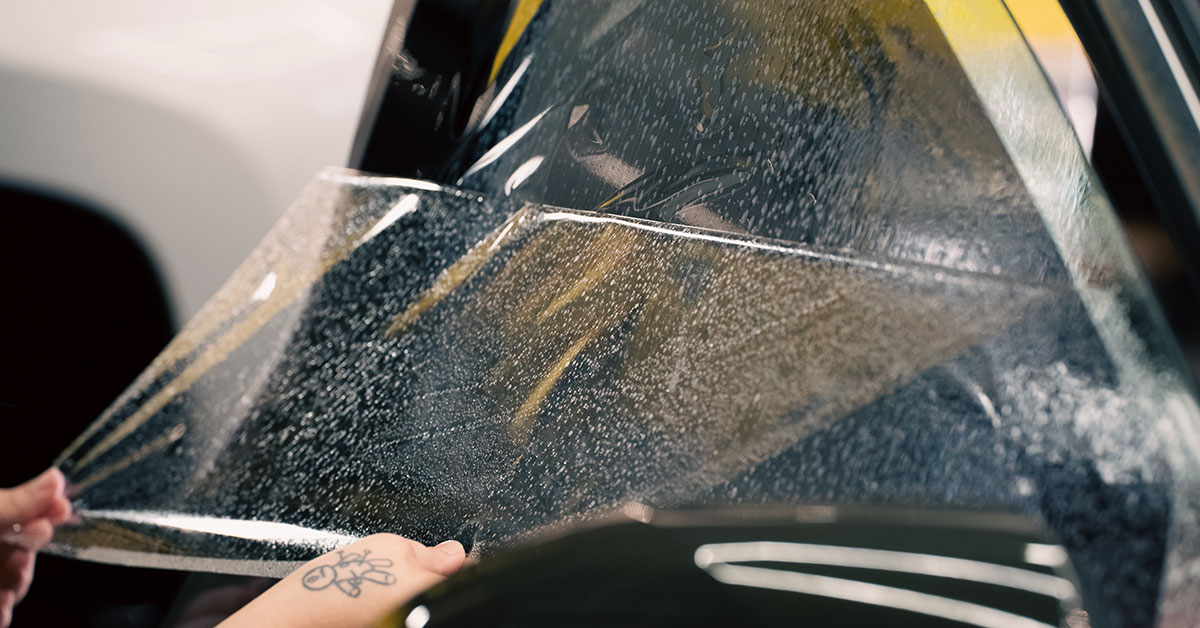
Automotive window tinting is the core service and often the entry point for new customers. From there, franchisees can add higher-ticket and complementary services that increase the value of each customer relationship:
- Paint protection film (PPF): premium per-vehicle revenue, often $800 to $3,000+ per job
- Ceramic coating: high-margin detailing service with strong add-on attachment rates
- Car and marine audio installation: an additional revenue stream that fills scheduling gaps
- Residential and commercial window film: expands the customer base beyond automotive
The multi-service model is one of the structural advantages of the Black Optix Tint franchise. A shop that offers tinting, PPF, ceramic coating, audio, and residential or commercial window film can serve more customer needs and create natural add-on opportunities. Instead of relying on one service category, the business has multiple ways to fill the schedule and grow average ticket size.
That matters because ROI is not driven by tint volume alone. It is also driven by how well the owner converts each customer into the right mix of services. A customer who comes in for tint may also be a candidate for PPF on high-impact areas, ceramic coating, or future residential film work. The more complete the service offering, the more opportunities the shop has to grow without needing an entirely new customer base.
What affects revenue in the first three years
Revenue for a window tinting franchise can vary significantly from one location to another. In the first year, performance is often shaped by how quickly the owner builds local awareness, hires and trains technicians, manages customer experience, and executes the launch marketing plan. A location in a strong automotive market with visible real estate, a well-trained team, and consistent marketing may ramp up differently than a location that is still building its team or refining its local presence.
By year two, many operators are focused on improving efficiency, growing repeat and referral business, strengthening reviews, and expanding service attachment. Services like paint protection film, ceramic coatings, detailing, residential film, commercial film, and audio can all influence the revenue mix.
By year three, a well-run location may have a stronger local reputation, a more experienced team, better operating processes, and more consistent lead flow. At that stage, the conversation often shifts from simply generating demand to improving margins, increasing average ticket, and evaluating whether additional growth opportunities like opening new locations make sense.
The most important takeaway is that revenue is not driven by the franchise model alone. It is influenced by territory, competition, pricing, staffing, marketing execution, service mix, lease terms, local demand, and owner involvement.
For actual financial performance information, qualified candidates should review the current Black Optix Tint Franchise Disclosure Document, including Item 19, and speak with existing franchisees during the discovery process.
What affects margins and owner earnings?
Gross revenue is the number most people notice first, but it is not the same as profit. What stays in the business after expenses depends on many factors, including material costs, labor, rent, local pricing, service mix, staffing model, marketing performance, royalty fees, and how actively the owner works in the business.
In a window tinting franchise, recurring expenses may include film, PPF, ceramic coating products, installation supplies, technician labor, front desk or management payroll, rent, utilities, insurance, software, local marketing, royalties, and marketing fund contributions. The amount each category represents can vary by location and should be reviewed carefully during the discovery process.
Owner role also matters. An owner-operator who works inside the business may take compensation differently than an investor-style owner who hires a manager and technicians from the start. When comparing ROI, candidates should ask whether any numbers they are reviewing include an owner salary, manager salary, or owner earnings after operating expenses.
This is also where the franchise model can create operational advantages. Group buying power may help reduce recurring material costs over time, especially for film, PPF, ceramic coating products, tools, and other supplies a shop uses regularly. Franchisees can also learn from other owners about pricing, staffing, scheduling, vendor usage, and service mix, which may help them avoid costly trial and error.
For actual financial performance information, qualified candidates should review the current Black Optix Tint Franchise Disclosure Document, including Item 19, and speak with existing franchisees during the discovery process.
Ready to see the full investment picture?
Request the Black Optix Tint Franchise Disclosure Document and connect with the franchise development team to discuss investment levels, available territories, and your path to ownership.
How to think about ROI
ROI in a window tinting franchise depends on several moving parts, including total startup investment, local demand, lease costs, staffing, material costs, pricing, service mix, marketing performance, owner involvement, and day-to-day execution.
Payback period is one way to think about ROI. It refers to how long it may take for business earnings to recover the initial investment. The shorter the payback period, the faster the owner has recouped the upfront cost. The longer the payback period, the more time it takes for the business to generate enough profit to offset the original investment.
Because every location is different, payback period should not be evaluated from a broad estimate alone. A buyer should look closely at the assumptions behind the numbers, including projected revenue, cost of goods, labor, rent, royalties, marketing expenses, manager or owner compensation, and working capital needs.
The owner’s role also matters. An owner-operator who works in the business may evaluate earnings differently than an investor-style owner who hires a manager and technicians from the start. In one model, the owner may be replacing a salary through active involvement. In the other, the business needs to support additional payroll before owner returns are considered.
The franchise model may also influence the path to profitability. Training, supplier relationships, operating systems, marketing guidance, group buying power, and access to other franchise owners can help reduce some of the trial and error that independent owners often face on their own. Lower material costs can add up over time, especially as job volume grows and the shop uses more film, PPF, ceramic coating products, tools, and supplies.
The best way to evaluate ROI is to review the full investment, understand the ongoing expenses, ask how the business is expected to ramp up, and compare the opportunity against your own goals, market, capital, and desired role as an owner.
What separates high performers from average ones
The variance in results across any franchise system is real. Strong operators tend to separate themselves in predictable ways. The franchisees who reach the upper end of revenue and earnings ranges usually share these habits:
- They staff correctly and quickly. They hire or develop a capable lead technician early, instead of trying to do every technical task while also running the business.
- They embrace the full service menu. They do not only tint windows. They actively educate customers about PPF, ceramic coating, audio, and other services when those services make sense.
- They take marketing seriously in year one. They do not wait for word-of-mouth to do all the work. They invest in local digital advertising, reviews, community presence, and follow-up from the first month.
- They use the franchise support system. They ask questions, attend training, follow proven processes, and apply what they learn instead of defaulting to old habits or guessing their way through problems.
Getting the full picture
The Federal Trade Commission requires franchisors to provide a Franchise Disclosure Document (FDD) before any franchise agreement is signed. Item 19 of the FDD contains financial performance representations and can provide system-specific information about what locations have achieved.
Requesting and reviewing the FDD is one of the most important steps you can take when evaluating any franchise. It gives you actual information from the system rather than broad estimates from a sales conversation. It also gives you a more complete view of fees, obligations, territory terms, and investment requirements.
Black Optix Tint provides the FDD to qualified candidates as part of the discovery process, giving serious buyers a clearer view of the numbers before they move forward.
As you review the numbers, look beyond the best-case scenario. Ask what average performers do differently, what the strongest locations have in common, and what support is available if your first few months are slower than expected. That conversation will tell you more than a simple revenue range.
Ready to Own an Automotive Business?
Subheading: Black Optix Tint franchisees get:
- Exclusive territory protection
- Full technical and business training
- Proven marketing systems that work
- Ongoing support from the franchise team
We are actively expanding across the U.S. Territories go quickly in strong markets. The first step is a no-obligation conversation with our franchise development team.