If you’re evaluating an automotive franchise, one of the first questions you’ll ask is how much it costs to open and operate the business the right way. The answer depends on the type of automotive concept you’re comparing. Startup costs can vary significantly based on buildout, equipment, inventory, labor model, square footage, and how operationally complex the business is from day one.
This page breaks down what drives automotive franchise cost and what buyers should evaluate when comparing opportunities.
Automotive franchise cost is usually shaped by a few major factors:

This is the upfront fee paid for the rights to operate under the brand.

The physical space, layout, leasehold improvements, and showroom or shop configuration can have a major impact on startup cost.

Different automotive concepts require different levels of equipment investment. A repair-heavy shop, collision operation, or tire business may carry a very different equipment profile than an appearance-focused business.

Automotive concepts vary in how much product, materials, and working inventory are required at opening.

Some concepts require more specialized labor from day one, which can affect the size of the initial team, payroll planning, and training costs.

Buyers should always look beyond the opening day number and consider what capital is needed to support the ramp-up period.
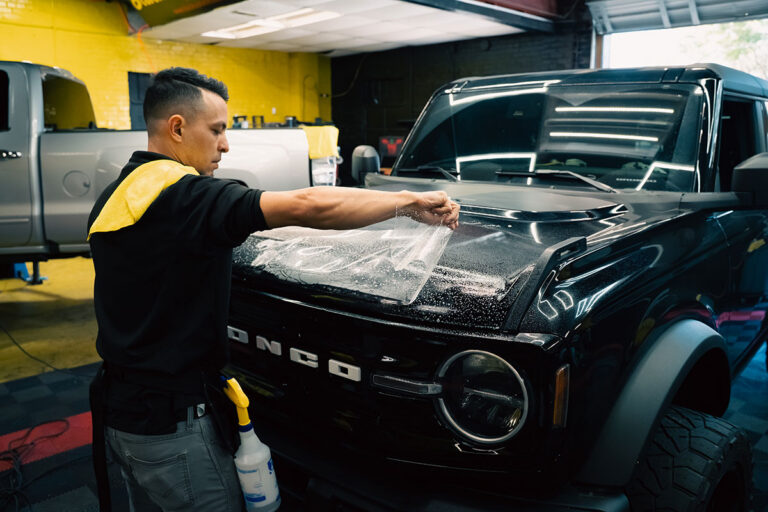
Not all automotive franchise categories carry the same startup profile. Repair and maintenance businesses often involve more technical equipment and more complex labor, quick-lube concepts may prioritize speed, bays, and process flow, tire businesses can involve meaningful expenses tied up in equipment and inventory, collision shops often require heavier operational infrastructure, car wash models can be highly site- and buildout-dependent and appearance and restyling concepts like a window tinting franchise may offer a different startup profile depending on the service mix
That’s why buyers should avoid comparing franchise fees alone. The smarter comparison is total investment plus the complexity of the operating model behind it against your goals, and desired investment level.
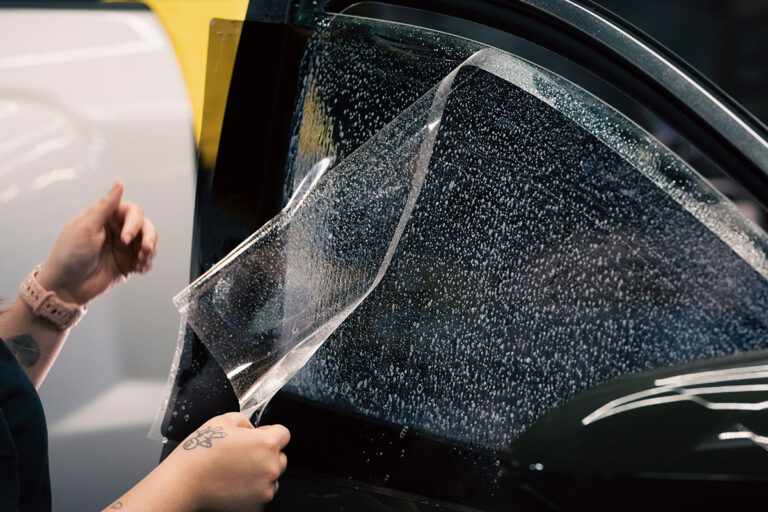
Black Optix Tint’s initial investment range is $230,227 to $343,390 with a franchise fee of $49,500. Locations average total gross sales are $516,655 and highest total gross sales of $1,062,696. While results may vary, this provides a practical guideline for what current owners in the system are achieving. As part of your investment with Black Optix Tint owners receive:

Equipment and inventory package

Vendor negotiated pricing to improve your margins

Site selection and layout

On-going training and coaching

National and local marketing support to drive leads to your location
With Black Optix you’re investing in the business system, service mix, launch support, and long-term operating model.
The cheapest automotive franchise is not always the best value. Buyers should weigh cost against:
A concept with a broader service mix and stronger support may create a more durable long-term opportunity than a lower-cost model with thinner systems or less differentiation.
Investment should always be reviewed in context. The right question is not just “What does an automotive franchise cost?” It is also “What kind of business am I buying, how does it operate, and does this model fit my goals?” If you’re still comparing categories, review our automotive franchise opportunities guide to see how different automotive concepts stack up.
Automotive franchise cost varies by category, market, buildout, equipment, staffing model, and working capital needs. Buyers should compare total investment, not just the franchise fee.
It usually includes the franchise fee, leasehold improvements, equipment, opening inventory or materials, training, launch support, and working capital. Exact inclusions vary by brand and business model.
Different concepts have very different real estate, tooling, labor, and operating needs. A repair-based shop and an appearance-focused concept can have very different startup profiles.