

December 17, 2025
Automotive Franchise for Sale: How to Tell a Great Opportunity from a Risky One
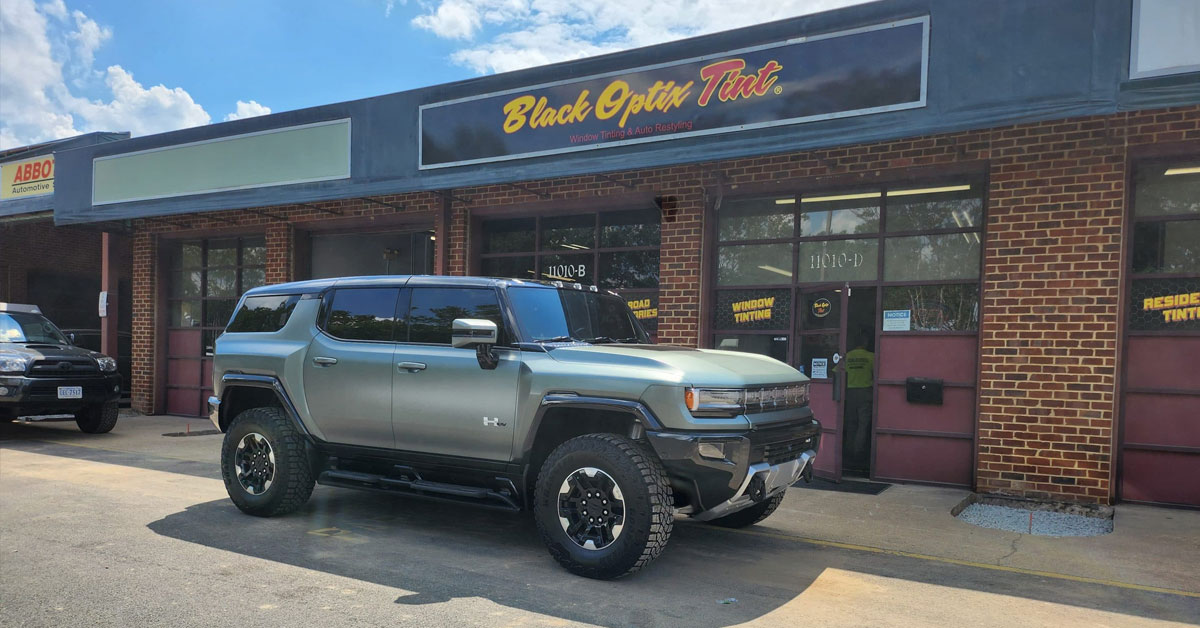
If you’re evaluating an automotive franchise for sale, this guide walks you through seven key questions that will help you separate strong, sustainable opportunities from risky ones. You’ll learn how to evaluate a brand’s consumer presence, the transparency of its numbers, the depth of its support, what you’re actually buying in a territory, whether the business is future-proof, how to read feedback from existing franchisees, and how to decide if the opportunity truly fits your goals, finances, and lifestyle.
Before you move from “interested” to “invested,” it’s worth slowing down and asking a few deeper questions. Let’s dive into the 7 key questions to ask when considering buying an automotive franchise.
1. Does the brand clearly stand out to consumers?
When a driver searches for something like “oil change near me” or “window tint near me,” they aren’t thinking about franchise or independent operator structures, they’re simply trying to decide whether a business looks legitimate, specializes in what they need, and is trustworthy enough to handle their vehicle. A strong automotive franchise will already have clear positioning in the customer’s mind: it should be obvious whether this is a quick-service brand, a premium car care concept, a restyling and tint specialist, or a general repair shop. The branding should feel cohesive and professional across the logo, colors, signage, uniforms, website, and social channels, and there should be visible proof of demand, i.e. multiple locations, real reviews, and signs of active customer engagement. If you look at their digital presence and feel like you could spin up something better on a weekend, that’s a warning sign that the brand may not have invested enough in the consumer side of the business, and that’s ultimately what drives your revenue.
2. Are the numbers transparent?
Any serious automotive franchise for sale should help you understand the economics clearly enough that you can explain them back in plain language. You should be able to see what it really costs to open, not just the franchise fee, but the full range of build-out, equipment, initial inventory, training, launch marketing, and working capital. The financial section of the Franchise Disclosure Document, particularly Item 19, should paint a realistic picture with averages or medians and clear ranges, not just a couple of cherry-picked top performers. Just as important is how the brand talks about the ramp-up period; how long it typically takes franchisees to reach breakeven and then stable profitability. If the messaging leans heavily on “get rich quick” promises, or if you can’t get straight answers about typical performance versus exceptional cases, you’re right to be cautious.
3. Is the support more than a training week and a binder?
A strong automotive franchise is not just selling you a name; it’s selling you a system. That system should be visible in every phase of the relationship. There should be meaningful initial training that covers not only how to deliver the services, but also how to run the business: hiring and managing staff, pricing and packaging services, creating a consistent customer experience, and getting the basics of marketing in place. When it’s time to open, you should expect hands-on launch support, people who can help you through the early learning curve rather than just wishing you luck. And once you’re open, the support should continue in the form of field visits, marketing guidance, updated playbooks, new service rollouts, and performance data you can actually act on. If “support” turns out to be little more than a brand manual and the occasional newsletter, you’re carrying far more risk than the word “franchise” suggests.
4. What are you actually getting with your territory?
When an automotive franchise is for sale in your area, you’re not only buying a brand; you’re buying a specific slice of the map and the right to develop that market. It’s important to know exactly what “territory” means in the franchise system you’re considering. Are you granted exclusivity within certain ZIP codes, a defined radius, or a minimum population or car count? How many locations are already nearby, and what is the brand plan for future expansion around you? A thoughtful franchisor should be able to explain why your territory has enough demand, using factors like vehicle registrations, household counts, demographics, and traffic patterns. If the language around territory is vague, or if it looks like locations could easily overlap and compete for the same customers and ad space, that’s a sign to press for clarity before moving forward.
5. Is the brand built for where the auto industry is going, not just where it’s been?
The best automotive franchise for sale today is one that’s already looking ahead. The industry is changing quickly: more EVs and hybrids on the road, increasing complexity of onboard electronics and ADAS systems, rising demand for cosmetic and protection services like tint, PPF, ceramic coatings, and detailing, and a customer base that increasingly expects online booking, digital communication, and transparent updates. As you evaluate a brand, ask how they’re adapting to shifts in vehicle technology and consumer behavior. Are they expanding or updating services to match current trends, or relying entirely on what worked a decade ago? Have they introduced new tools, products, software, or processes in the last couple of years, or does everything feel frozen in time? A concept that hasn’t meaningfully updated its services, marketing, or digital customer experience in years is likely to struggle as the industry continues to evolve.
6. What do existing franchisees actually say?
Conversations with current franchise owners are your reality check. Before you commit to any automotive franchise, you should talk to people who are already living the model day to day. Ask them how accurately the brand set expectations around cost, ramp-up, and support, and what surprised them in both positive and negative ways. Find out whether they’re hitting the numbers they expected, and if not, what’s getting in the way. Pay attention to how they describe the responsiveness of the corporate team when problems arise, and don’t be afraid to ask the simple but telling question: “Knowing what you know now, would you buy this franchise again?” Beyond individual conversations, look at the system as a whole, are there lots of new openings and very few quiet closures? Is the network filled with multi-year-old owners, some of whom are expanding to second or third locations? On the other hand, if you hear stories about support falling off after the ink dries, or you see a pattern of locations disappearing, take that seriously.
7. Does this opportunity match your goals, finances, and lifestyle?
Even the strongest automotive franchise for sale can be the wrong choice if it doesn’t fit the person buying it. That fit starts with your role and the lifestyle you want for yourself and your family. Some concepts expect you to be an owner-operator, present in the business every day, especially at the beginning; others are built to move toward a manager-run model over time. You’ll want to think honestly about whether the required schedule, including early mornings, weekends, or seasonal peaks, fits with your family and personal priorities. Financially, you’ll need to be comfortable with the total investment, and the working capital required to weather slower ramp-ups or unexpected bumps, not just the headline franchise fee. And it’s important to be clear about your long-term vision: are you aiming for one strong, well-run location, or do you want multi-unit potential and a larger footprint? A good franchisor will respect those goals and help you plan around them; if you feel pushed to stretch far beyond your comfort level or sense that your lifestyle priorities are being ignored, that’s a signal to pause.
Turning “Automotive Franchise for Sale” into “Automotive Franchise Sold—for the Right Reasons”
Seeing an automotive franchise for sale is exciting, but the opportunity isn’t how quickly you can sign; it’s how carefully you choose. By looking at consumer-facing brand strength, demanding transparent and believable numbers, insisting on real training and ongoing support, understanding exactly what you’re getting with your territory, checking that the concept is built for the future of the industry, listening closely to existing franchisees, and making sure the opportunity aligns with your own goals and risk tolerance, you give yourself a much better chance of picking a winner.
Get clear answers, pay attention to what current owners tell you, and don’t rush past red flags because the category feels hot. The right automotive franchise should offer more than a logo; it should give you a proven path to building the kind of business, and life.