

June 3, 2026
Is Window Tinting a Good Business in 2026? Market Data, Margins & Real Operator Insights
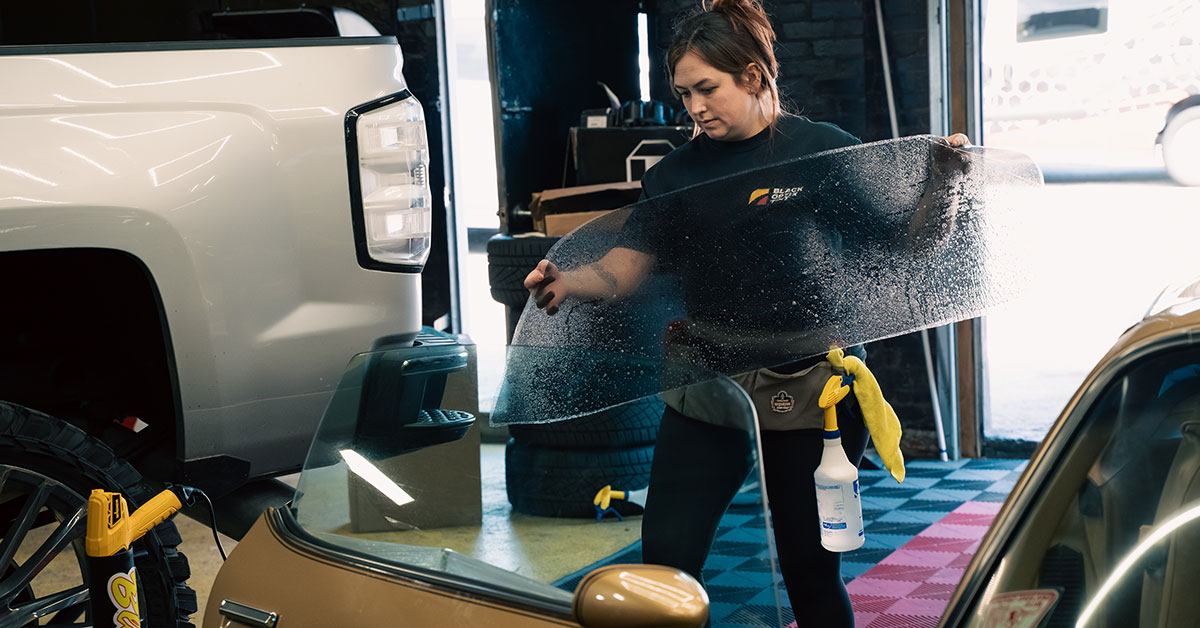
Window tinting can be a strong business opportunity because it serves several different customer needs across the automotive, residential, and commercial markets. At its core, a window tinting business installs film on vehicle windows, home windows, and commercial glass to help improve comfort, reduce glare, increase privacy, protect interiors, and manage heat.
On the automotive side, window tinting is part of the larger auto restyling and protection industry. Customers may come in for tint, but they may also be interested in related services such as paint protection film, ceramic coatings, detailing, audio, and other vehicle upgrades. That gives a tint business more than one way to generate demand and serve customers.
The opportunity is not limited to cars. Residential and commercial window film can also appeal to property owners who want to reduce heat, improve energy efficiency, limit UV exposure, protect furnishings, and make interior spaces more comfortable. In warmer markets especially, window film can be positioned as both a comfort upgrade and a practical property improvement.
So, is window tinting a good business? It can be, especially when the owner understands the full range of services, customer types, and market needs the business can serve. Like any local service business, success depends on location, quality, marketing, customer experience, pricing, and execution.
Here is the full picture.
The market case: why window tinting has real tailwinds in 2026
Window tinting sits at the intersection of several growing service categories: automotive restyling, vehicle protection, residential energy efficiency, and commercial property improvement. That gives the business more than one revenue stream and way to expand existing customer relationsips.
On the automotive side, window tinting is part of the larger auto restyling and protection market, which includes services such as paint protection film, ceramic coatings, detailing, accessories, and audio upgrades. These services appeal to customers who want to protect, personalize, and improve the vehicles they already own.
But the opportunity is not limited to vehicles. Residential and commercial window film can also serve homeowners, business owners, property managers, schools, offices, retail centers, and other facilities looking for ways to improve comfort, reduce glare, manage heat, increase privacy, and protect interiors from sun exposure.
Trends that continue to support demand for window tinting:
- New vehicle sales create fresh opportunities. Every new or recently purchased vehicle can become a tinting customer, often early in the ownership cycle.
- UV and interior-protection awareness has grown. More consumers understand that window film can help reduce glare, improve comfort, protect interiors, and support long-term vehicle care.
- Heat and comfort concerns matter. In Sun Belt markets especially, automotive, residential, and commercial customers may view window tinting as a practical comfort upgrade, not just a cosmetic add-on.
- Residential energy concerns create another use case. Homeowners may look to window film as one way to help manage indoor temperatures, reduce hot spots, protect furniture and flooring, and make living spaces more comfortable.
- Commercial properties need practical glass solutions. Offices, storefronts, schools, healthcare facilities, and other commercial buildings may use window film to reduce glare, improve privacy, protect interiors, and create a more comfortable environment for employees, customers, students, or tenants.
- Electric vehicle adoption adds another automotive use case. EV owners may be motivated by cabin comfort and reduced air-conditioning demand, especially in warmer climates.
- The competitor landscape remains fragmented. Many tint shops are independent, single-location operations with limited marketing systems, inconsistent customer experience, and little brand recognition. That creates room for a professional, branded operator to stand out.
Another advantage is that demand can come from several customer groups. A tint shop can serve daily drivers, car enthusiasts, dealerships, fleet accounts, homeowners, business owners, and commercial property managers. That variety can make the business more resilient than a shop relying on one narrow customer type. Automotive tint may create a steady customer base, while residential and commercial tint can expand the opportunity into larger projects, repeat relationships, and additional referral channels.
The margin case: why tinting economics are attractive
Window tinting is a labor-and-skill business, which means performance is shaped by material costs, technician productivity, pricing discipline, schedule utilization, service quality, customer experience, and overhead.
Compared with some automotive service concepts, a tint business can be more accessible because it does not typically require the same level of heavy equipment, complex repair infrastructure, or large inventory. The business is built around skilled installation, repeatable processes, and the ability to serve customers who want protection, comfort, privacy, appearance upgrades, or property improvements.
Service mix can also strengthen the opportunity. Automotive tinting may be the core service, but paint protection film, ceramic coatings, detailing, audio, residential film, and commercial film can give owners more ways to serve customers across automotive, homeowner, and commercial property markets.
The strongest operators protect the economics of the business by pricing based on quality, convenience, service, and trust rather than racing to the lowest price. A low-price strategy may create activity, but it can also make it harder to hire talent, invest in marketing, maintain quality, and build a professional brand.
The market selection case: location matters more than most operators realize
Window tinting is not always a destination service. For many customers, it is a proximity-driven decision. They look for a shop that is visible, accessible, trusted, and well reviewed. That makes territory selection and site selection just as important as technical quality.
Strong window tinting markets can exist in many parts of the country. While heat, glare, and UV exposure can support demand, they are not the only factors that matter. A strong market may also have steady vehicle ownership, new and used car sales activity, commuter traffic, growing residential areas, active commercial corridors, and property owners looking for practical ways to improve comfort, privacy, and energy efficiency.
Several market characteristics can help support demand:
- Vehicle ownership and automotive activity. Markets with strong commuter patterns, dealerships, used car sales, automotive service businesses, and car enthusiast communities can create steady demand for automotive tint, paint protection film, ceramic coatings, detailing, and related services.
- Residential growth and homeowner demand. Suburban markets, newer housing communities, and areas with strong home improvement activity can create opportunities for residential window film. Homeowners may be looking to reduce glare, protect furniture and flooring, improve privacy, or make rooms more comfortable.
- Commercial property density. Office buildings, storefronts, retail centers, schools, healthcare facilities, and other commercial properties can create demand for window film solutions that improve comfort, privacy, glare control, and interior protection.
- Visibility and accessibility. A shop that is easy to find, easy to reach, and located near daily traffic patterns can have an advantage, especially when paired with strong reviews and clear local marketing.
- Fragmented local competition. A market without a polished, branded tint provider may create room for a professional operator to stand out. Even in more competitive markets, there may be opportunity if existing providers have inconsistent reviews, limited service offerings, weak branding, or poor customer experience.
The execution case: what actually determines success
Tint businesses often struggle when the owner treats the business like a technical job instead of an operating company. Being able to tint windows is important, but it is not enough on its own. Owners also need to price correctly, answer leads quickly, earn reviews, manage quality, train employees, and build local awareness.
The operators who thrive tend to think differently from the beginning. They treat every customer interaction as a marketing opportunity. They make reviews part of the process. They cross-sell PPF, ceramic coating, audio, and other services when appropriate. They hire and train technicians instead of trying to carry the entire business alone.
The technical skill of window tinting is teachable. The business skills that make a shop profitable can take longer to develop, which is one reason a franchise model can be attractive. It gives new owners business systems, support, and a more defined operating playbook from day one.
Common reasons tint businesses underperform
- Opening in a market with strong existing competition without a clear differentiation strategy.
- Underpricing the work. Competing only on cost can damage margins and attract customers who are less likely to value quality.
- Over-relying on one service. Shops that only tint windows can leave meaningful revenue on the table when customers also need PPF, ceramic coating, or other protection services.
- Weak marketing. A talented technician in an invisible location can still struggle if customers cannot find the business or do not understand why it is different.
- Not having enough working capital can make the slow months of the first year more difficult and limit the owner’s ability to invest in marketing or staffing.
So is window tinting good business?
Yes, for the right operator in the right market with the right business approach. The fundamentals are appealing: healthy margins, steady demand, accessible startup costs compared with many franchise categories, and a fragmented competitor landscape that can reward professional operators.
The real question is not simply whether window tinting is a good business. It is whether you are building the business correctly, in the right market, with the right support, capital, systems, and local marketing plan in place from day one.
For many owners, the most important decision is whether to go it alone or use a franchise system to shorten the learning curve. Either path can work, but the business has to be treated like a business from the first day.
Ready to Own an Automotive Business?
Subheading: Black Optix Tint franchisees get:
- Exclusive territory protection
- Full technical and business training
- Proven marketing systems that work
- Ongoing support from the franchise team
We are actively expanding across the U.S. Territories go quickly in strong markets. The first step is a no-obligation conversation with our franchise development team.