

February 23, 2026
Window Tinting Franchise vs. Starting Your Own Shop: Which Path Is Right for You?
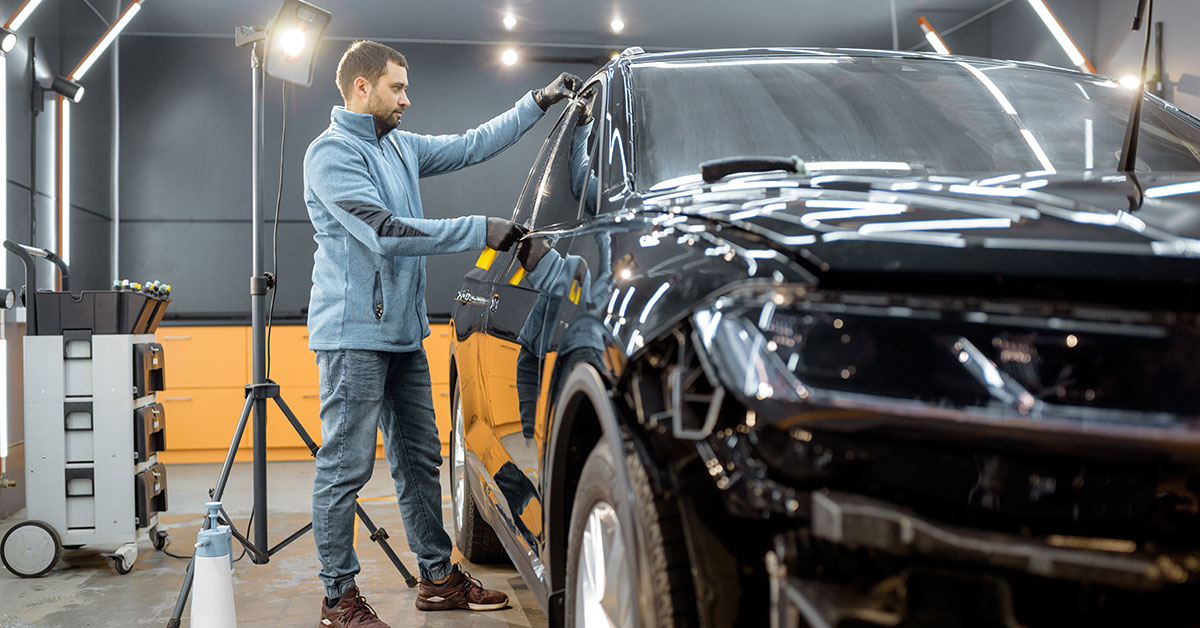
The window tinting and automotive restyling industry presents an attractive opportunity for entrepreneurs. With the U.S. automotive restyling market valued at $10.5 billion and growing, demand for services like window tinting, paint protection film (PPF), ceramic coatings, and car audio has never been stronger.
But once you’ve decided this industry is right for you, the next question is: Should you buy into a franchise or start an independent shop from scratch?
Both paths can lead to success. The right choice depends on your experience, capital, risk tolerance, and long-term goals. Let’s break down the key differences.
The Case for Starting an Independent Tint Shop
Going independent gives you complete control. You choose your brand name, set your own prices, pick your suppliers, and keep 100% of your profits. For some entrepreneurs, that autonomy is non-negotiable.
Advantages of Going Independent
- Lower upfront costs (potentially). Without a franchise fee, your initial investment may be lower. You can start lean, purchasing only essential equipment and scaling as revenue grows.
- Complete creative control. You decide everything—from your shop’s name and branding to your service menu and marketing approach. No corporate guidelines or brand standards to follow.
- No ongoing royalties. Every dollar you earn stays in your pocket. There’s no 6% royalty or 2% marketing fee cutting into your margins month after month.
- Flexibility to pivot. Want to add a new service line or partner with a dealership on custom terms? You don’t need approval from anyone. Your business, your rules.
Challenges of Going Independent
- You’re starting from zero. No brand recognition, no proven systems, no supplier relationships, no operational playbook. Every process must be built from scratch through trial and error.
- Steep learning curve. Window tinting looks simple but requires significant technical skill. Hiring and training quality technicians is difficult without established training programs.
- Marketing falls entirely on you. Building local awareness takes time and money. You’ll compete against established shops and franchises with bigger marketing budgets and better online visibility.
- Supplier negotiations are harder. Without volume buying power, you’ll pay retail or near-retail prices for films, coatings, and equipment. This eats into your margins.
- No safety net. When problems arise—and they will—you have no support system to call. Every operational challenge, HR issue, or customer complaint is yours to solve alone.
The Case for Buying a Window Tinting Franchise
Franchising offers a different trade-off: you exchange some autonomy and ongoing fees for a proven system, established brand, and comprehensive support.
Advantages of Franchising
- Proven business model. A quality franchise has already made the mistakes and refined the systems. You’re buying a playbook that works, not experimenting with what might.
- Brand recognition from day one. Customers trust established brands. Walking into a professional, nationally-recognized shop feels different than walking into an unknown independent.
- Comprehensive training. From technical installation skills to sales techniques, customer service, and business operations, franchise training accelerates your path to competence.
- Ongoing support. Site selection guidance, marketing assistance, operational coaching, technology platforms—franchises provide infrastructure that independent owners must build themselves.
- Purchasing power. National franchise networks negotiate better pricing on films, coatings, equipment, and supplies. Those savings go directly to your bottom line.
- Protected territories. Quality franchises offer exclusive territories, preventing another franchisee from opening next door and splitting your customer base.
- Easier financing. Lenders view franchises as lower risk than independent startups. SBA loans and franchise-specific financing are often more accessible.
Challenges of Franchising
- Higher initial investment. Franchise fees add to your startup costs. A window tinting franchise might require $150,000 to $350,000 total investment versus potentially less for an independent shop.
- Ongoing fees. Royalties (typically 5-7% of gross sales) and marketing fees (1-2%) are ongoing expenses that don’t exist for independent owners.
- Less autonomy. You must follow brand standards, use approved suppliers, and operate within the franchise system. Some entrepreneurs find this restrictive.
- You’re tied to the brand’s reputation. If the franchisor makes mistakes or another franchisee delivers poor service, it can affect your local business.
Key Questions to Ask Yourself
Before choosing your path, honestly answer these questions:
About Your Experience
- Have you run a business before? First-time business owners often benefit significantly from franchise support systems.
- Do you have automotive restyling experience? Technical skills help but aren’t essential if you plan to hire installers. Business and sales skills often matter more.
- Are you comfortable building processes from scratch? Independent ownership requires creating every system yourself.
About Your Capital
- What’s your available investment? Be honest about your liquid capital and financing options. Undercapitalization is a leading cause of small business failure.
- Can you sustain ongoing fees? Royalties reduce your take-home profit but fund support systems many owners find valuable.
- What’s your timeline to profitability? Franchises often reach profitability faster due to brand recognition and refined systems.
About Your Goals
- Do you want one location or multiple? Franchises are often designed for multi-unit growth with scalable systems.
- How important is autonomy vs. support? There’s no wrong answer—just know yourself.
- What’s your exit strategy? Franchises can be easier to sell due to brand recognition and documented systems.
What to Look for in a Window Tinting Franchise
If you’re leaning toward franchising, not all opportunities are equal. Here’s what separates strong franchise systems from weak ones:
- Multiple revenue streams. The best automotive restyling franchises offer more than just window tinting. Look for brands that include paint protection film, ceramic coatings, car audio, and residential/commercial tinting—services that increase average tickets and create recurring customers.
- Strong franchisor backing. Who owns the franchise? A franchisor with decades of experience, hundreds of successful locations, and deep resources provides stability an emerging brand cannot.
- Comprehensive training. Initial training should cover technical skills, sales, operations, and management. Ongoing training keeps you current on new products and techniques.
- Marketing support. National brand-building combined with local marketing guidance helps you compete against established competitors from day one.
- Reasonable investment requirements. Review the total investment range, franchise fee, and ongoing fees to ensure they align with your budget and expected returns.
- Territory protection. Exclusive territories let you build a local customer base without competing against your own brand.
- Franchisee validation. Talk to existing franchisees. Ask about their experience, support quality, and whether they’d do it again.
The “Fragmented Market” Opportunity
One factor makes this decision particularly interesting right now: the automotive restyling industry is highly fragmented.
Most window tinting shops are small, independent operations—often one or two-person businesses working out of small spaces with inconsistent quality and customer experience. There’s no dominant national brand like you’d find in quick-service restaurants or automotive repair.
This fragmentation creates opportunity for both paths:
- Independent owners can differentiate through superior customer experience and local relationships.
- Franchise owners can leverage professional branding, showroom-quality environments, and consistent service to stand out in a market where most competitors look unprofessional.
The question is which approach matches your skills and resources.
Making Your Decision
There’s no universally “right” answer. Both independent shops and franchises can succeed—or fail—depending on execution.
Consider franchising if:
- You’re a first-time business owner who values structure and support
- You want to scale to multiple locations
- You prefer proven systems over experimentation
- You have adequate capital for the full investment
- You’re comfortable trading some autonomy for reduced risk
Consider going independent if:
- You have extensive industry experience and existing supplier relationships
- Autonomy is more important to you than support
- You have strong local connections and marketing skills
- Your capital is limited and you’re comfortable with higher risk
- You’re confident in your ability to build systems from scratch
Next Steps
If you’re exploring the franchise path, the best way to evaluate an opportunity is through research and conversation.
Request information to understand the specific investment, territory availability, and support structure. Review the Franchise Disclosure Document (FDD) carefully. Talk to existing franchisees about their experience.
If you’re leaning independent, study successful tint shops in non-competing markets. Understand what they do well. Build a detailed business plan. Secure adequate capital before launching.
Whatever path you choose, the automotive restyling industry offers real opportunity for entrepreneurs willing to execute. The $10.5 billion market isn’t slowing down—the question is how you’ll capture your share.
Ready to explore franchise ownership?
Learn more about the Black Optix Tint franchise opportunity or check available territories in your area.